Celina Font: A Maker’s Guide to Elegant Script Typography
The late afternoon sun was streaming across my workbench, illuminating a stack of freshly printed kraft paper labels. I had been struggling for hours with the typography for my new line of soy candles. The design felt stiff, lacking that personal, handcrafted touch I wanted to convey. I scrolled through my library of Fonts, looking for something that balanced professionalism with warmth. That is when I discovered Celina. As soon as I typed out the scent name "Lavender & Sage," the difference was immediate. The letters flowed into one another with an understated charm that instantly elevated the entire label. It wasn’t just text; it was an invitation.
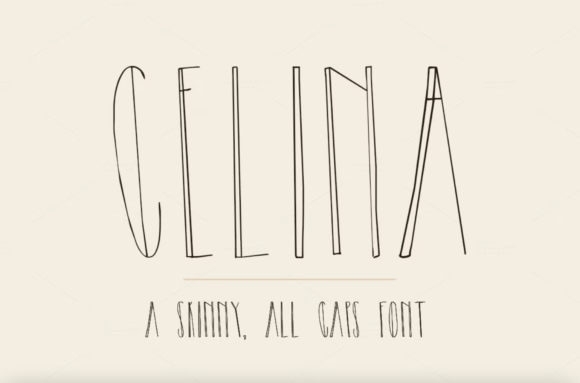
For those of us who spend our days cutting vinyl, printing stickers, and designing digital downloads, finding the right typeface is often the most critical step in product creation. Celina, part of the Script Amp collection, is a captivating blend of simplicity and uniqueness crafted into an uppercase font. Its distinctive character lends an affectionate quality that delights the senses, making it an ideal choice for makers who want their brand identity to feel both polished and approachable.
Bringing Handmade Products to Life with Celina
Using Celina in real-world applications has transformed how I approach my shop materials. Because it is an uppercase script, it possesses a natural rhythm that works beautifully for short phrases, names, and titles. I recently used it to design a set of wedding welcome boards for a custom order. The font’s flowing connections created a romantic, airy feel that paired perfectly with the minimalist floral illustrations. Unlike some overly ornate scripts that can become illegible at a distance, Celina maintains clarity while offering that coveted handwritten aesthetic.
Beyond wedding stationery, this premium font shines on product packaging. I tested it on a series of boutique clothing tags attached to linen tote bags. The uppercase structure gave the brand name a sense of authority, while the script elements kept it soft and inviting. When you are selling physical goods, the perceived quality of your packaging directly influences the customer’s unboxing experience. A well-chosen typeface like Celina signals attention to detail, suggesting that the product inside is equally carefully crafted.
Versatility Across Digital and Physical Media
One of the greatest strengths of Celina is its adaptability across different mediums. As a creator of printable wall art and planner pages, I need fonts that look crisp on screen and print cleanly on home printers. Celina handles both scenarios with ease. I have used it to create motivational quote prints where a single powerful word, such as "BREATHE" or "LOVE," takes center stage. The ligatures and swashes inherent in the design add decorative flair without requiring extra graphic elements.
For digital download sellers, this creative font is a valuable asset for template creators. Whether you are designing editable birthday invitations or social media graphics for small business owners, Celina provides a modern typography solution that feels current yet timeless. Its clean lines ensure that it does not clash with other design assets, allowing it to serve as a focal point or a complementary accent depending on your layout needs.
Practical Tips for Using Celina in Your Shop
While Celina is visually stunning, using it effectively requires a bit of strategic thinking regarding readability and pairing. Here are some practical insights from my own production process:
- Keep it Short: Because Celina is an uppercase script, it is best suited for display use. Use it for headlines, product names, or short greetings. Avoid using it for long paragraphs of body text, as the connected uppercase letters can become difficult to read in dense blocks.
- Pairing for Contrast: To maximize impact, pair Celina with a clean sans serif font or a simple serif font. For example, on a candle label, I used Celina for the scent name and a lightweight sans serif for the ingredients list. This contrast creates a hierarchy that guides the eye and ensures all information is accessible.
- Spacing Matters: When using Celina for logo design or standalone words, pay attention to kerning. Some uppercase scripts benefit from slight adjustments to ensure the connections between letters look natural and not cramped. Always preview your design at actual size before finalizing.
- Cutting Machine Compatibility: If you are using Celina for vinyl decals or heat transfer designs with Cricut or Silhouette machines, ensure you are using the correct file format. While SVGs are common for cut files, having access to OTF or TTF formats allows you to manipulate the text in design software before exporting. Always weld or unite the letters if necessary to maintain the script’s connectivity during cutting.
Enhancing Brand Identity and Emotional Appeal
In the world of handmade sales, emotional connection drives purchases. Celina contributes to this by adding a layer of sophistication and warmth to your brand identity. Whether you are creating holiday tags for seasonal products or designing signage for a craft fair booth, the font’s affectionate quality resonates with customers. It suggests care, elegance, and a personal touch.
I found this particularly true when designing a line of greeting cards. Using Celina for the main message on the front of the card made the product feel more special, almost like a handwritten note from a friend. This subtle psychological cue can enhance customer recognition and loyalty, as buyers begin to associate that specific typographic style with the quality and vibe of your shop.
Technical Considerations for Commercial Use
Before integrating Celina into your commercial projects, it is essential to review the licensing terms. Most commercial font licenses allow for use in physical products like mugs, shirts, and printed cards, as well as digital end-products like printable PDFs. However, restrictions may apply to embedding the font file itself in editable templates or web-based applications. Always check the included styles, alternates, and multilingual support to ensure the font meets your specific project requirements.
Additionally, consider the file formats provided. Having access to multiple formats ensures compatibility with various design software, from Adobe Illustrator to Canva. This flexibility is crucial for makers who switch between different tools for packaging design, web design, and editorial design tasks.
Ultimately, Celina is more than just a set of letters; it is a tool for storytelling. By choosing a display font with such distinct personality, you are giving your products a voice. Whether you are labeling a jar of homemade jam, designing a wedding invitation suite, or creating a new line of stickers, Celina offers the perfect balance of simplicity and uniqueness. It invites you to slow down, appreciate the details, and create something truly beautiful.
As you continue to build your creative business, remember that typography is a powerful component of your visual language. Experiment with Celina in your next project. Try it on a mockup for a new tote bag, test it on a sample sticker sheet, or use it to headline your next social media post. You may find, as I did, that this handwritten font becomes an indispensable part of your design toolkit, helping you connect with your audience in a meaningful and aesthetically pleasing way.